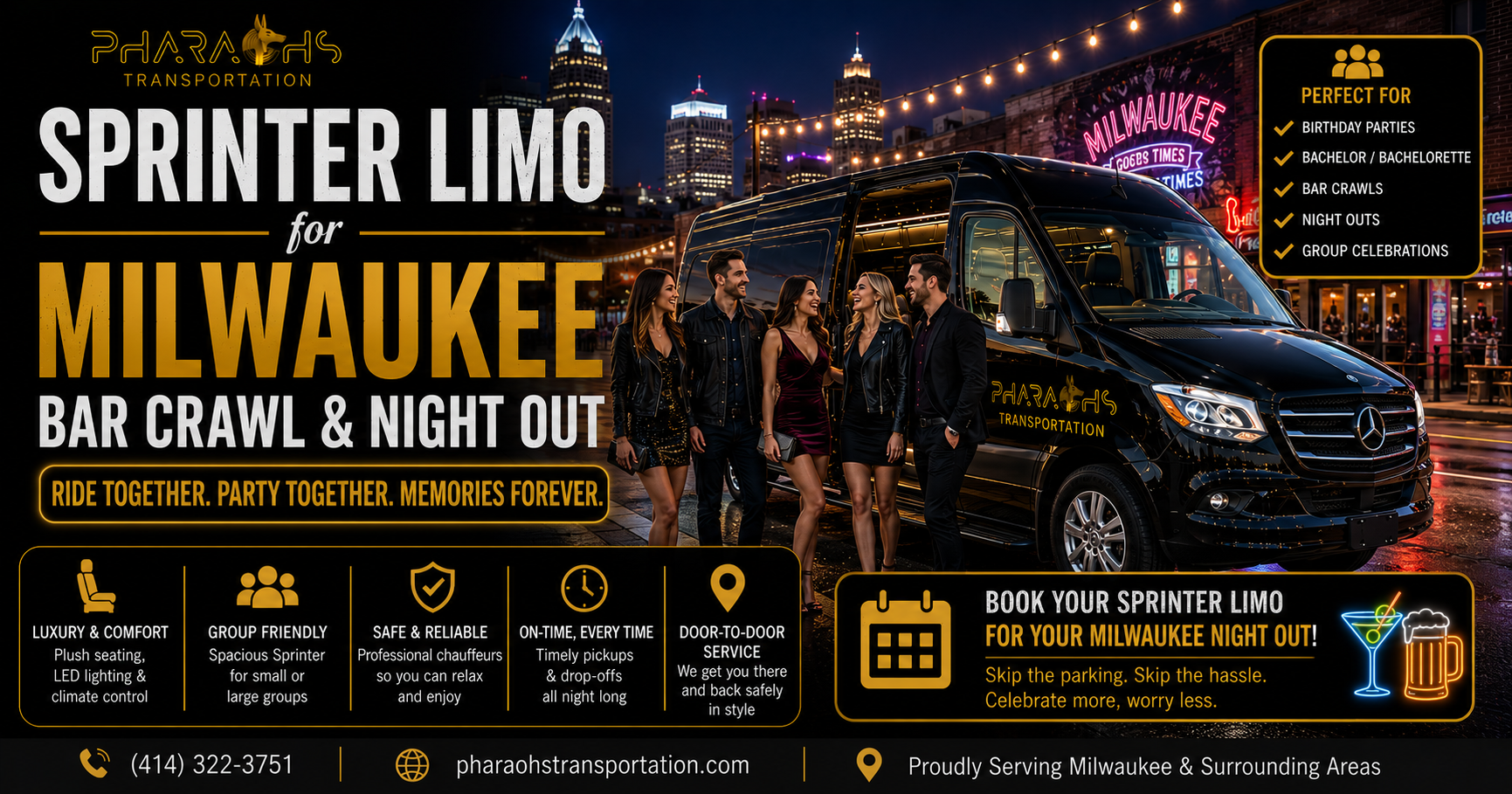
A typical Milwaukee bar crawl or night-out booking runs 4 to 6 hours, usually starting around 7 or 8 PM and wrapping up after last call. Groups of up to 15 people ride together in one Sprinter limo, hitting anywhere from 4 to 8 bars and venues across downtown, with the vehicle waiting between stops so nobody has to flag a rideshare at 1 AM in the cold.
This is a different itinerary than a daytime tasting trip — for that, see our Sprinter Limo for Milwaukee Brewery & Distillery Tours guide. A night out moves faster, hits more venues, and runs later, which changes how the routing and safe-ride planning work. If you’re weighing vehicle options generally, the base Sprinter Limo Service page covers capacity and fleet details.
Why Groups Choose a Sprinter Over Rideshare Surge Pricing
A Friday or Saturday night in downtown Milwaukee is exactly when rideshare pricing works against a group the most. Surge multipliers kick in right around 10 PM and again hard after 1 AM bar close, which means the ride that cost $12 at the start of the night can cost three or four times that by the time everyone’s ready to head home. For a group of ten splitting three or four separate cars across a single evening, that adds up fast — and it’s unpredictable, which makes it hard to budget for ahead of time.
One flat rate for the whole night: Booking a Sprinter as an hourly charter locks in the cost before the night starts. There’s no multiplier waiting to hit at 1:15 AM when everyone’s trying to get a ride at the same time as every other bar in the Third Ward closing at once.
No one gets stranded waiting for a ride: Anyone who’s tried to get a rideshare outside a downtown Milwaukee bar at closing time knows the wait can stretch 20, 30, even 40 minutes on a busy weekend, with half the group standing in the cold while the app searches for a driver. A reserved vehicle is already there, on your schedule, not competing with every other bar patron in a six-block radius for the same pool of drivers.
The group doesn’t fragment: Rideshare seats four or five people at most. A birthday group of 12 splitting into three cars means three different arrival times at the next bar, three drivers navigating one-way streets in the Third Ward or Water Street corridor, and inevitably someone getting separated from the group for twenty minutes while everyone else waits inside. A Sprinter holds the whole group in one vehicle — everyone arrives together, every time.
No parking stress downtown: Street parking and ramp rates in the Third Ward, Water Street, and Walker’s Point spike on weekend nights, and finding a spot within walking distance of more than one venue is close to impossible once the bars fill up. A chartered vehicle removes parking from the equation entirely — nobody’s driving, so nobody needs a spot.
It’s simply safer: This is the piece that matters most on a night built around drinking: nobody in the group has to be the one who stays sober to drive everyone home, and nobody has to make the judgment call about whether they’re okay to drive after last call. A professional chauffeur handles that instead.
One person doesn’t have to coordinate every ride: Whoever organizes a group night out often ends up as the unofficial logistics manager — tracking who needs a ride, when, and from where. With a chartered vehicle, that job disappears. The chauffeur handles pickup and drop-off timing directly, and the organizer gets to actually enjoy the night instead of managing a group chat full of “where’s everyone at” texts.
Consistent experience regardless of how busy the night gets: Downtown Milwaukee on a Saturday night, especially during festival season or a big game night, can overwhelm the local rideshare supply — wait times stretch, prices spike, and drivers cancel on groups waiting outside crowded venues. A reserved vehicle isn’t affected by that citywide demand spike the same way, since the chauffeur and vehicle are dedicated to your group for the entire booking window.
Related Guides: Sprinter Limo for Milwaukee Brewery & Distillery Tours
Popular Milwaukee Nightlife Zones
Milwaukee’s downtown nightlife breaks into a few distinct pockets, and most groups build a night around one primary zone with maybe one detour into a second.
Historic Third Ward:
A mix of upscale cocktail bars, breweries with late hours, and a few dance-forward spots, all within a fairly compact walkable core. The Third Ward tends to draw groups looking for a slightly more polished night out — good for a birthday dinner that rolls into drinks, or a group that wants a scenic backdrop for photos between stops.
Water Street:
This is Milwaukee’s classic bar-crawl strip — a dense run of bars and clubs concentrated along a few blocks, historically the default answer to “where do we go for a big group night out downtown.” It’s built for volume: high foot traffic, later hours, and venues that expect groups. It’s also one of the most congested areas for both foot and vehicle traffic on weekend nights, which is exactly where having a driver who already knows the loading zones and one-way patterns saves real time.
Walker’s Point:
South of downtown, Walker’s Point mixes craft breweries, distilleries, and later-night bars with a slightly different crowd than Water Street — a bit more laid-back, still busy, but less of the club-heavy scene. Groups who want a night that starts more relaxed and builds later often use Walker’s Point as an opening stop before moving toward Water Street or the Third Ward as the night goes on.
East Side:
Closer to the lake and near Milwaukee’s university area, the East Side has its own cluster of bars with a younger, more casual crowd. It’s a common addition for groups who want to close the night somewhere less packed than downtown proper, or for visiting groups staying near the East Side who don’t want a long final ride home.
Combining zones in one night:
Many groups don’t stay in one neighborhood all night — a common pattern is starting in Walker’s Point or the Third Ward for dinner and early drinks, then moving to Water Street as the night picks up, and finishing somewhere quieter for a wind-down. This kind of multi-zone night is realistic with a chartered Sprinter in a way it simply isn’t with rideshare, since it avoids repeatedly re-booking rides as surge pricing climbs later in the night.
Timing zones around crowd flow:
Downtown Milwaukee’s nightlife has a predictable rhythm on weekends — Water Street fills up hardest between roughly 10 PM and 1 AM, while earlier evening hours tend to be lighter across the Third Ward and Walker’s Point. Groups that want to avoid the heaviest crowds sometimes flip the usual order, hitting Water Street earlier in the night and shifting toward a quieter zone as the late hours set in, rather than the other way around.
Event nights change the picture:
On nights with a Bucks game at Fiserv Forum, a Brewers game, or a major concert downtown, nightlife zones near those venues get considerably busier and parking becomes even scarcer than a normal weekend. Groups planning a night out that overlaps with a big event downtown benefit the most from a reserved vehicle, since foot traffic and rideshare demand both spike hardest on exactly those nights.
How Multi-Venue Drop-Off & Pickup Scheduling Works
A bar crawl moves at a different pace than a daytime tour, and the scheduling reflects that.
Shorter stops, more of them:
Where a brewery tour budgets 45 minutes to an hour per stop, a bar crawl typically runs 30 to 45 minutes per venue, especially once the group settles into a rhythm later in the night. That usually means more total stops across the same booking window — commonly 4 to 8 venues across a 5 or 6 hour night, compared to 3 to 5 stops on a slower daytime tasting tour.
The vehicle waits, or circles nearby:
In dense areas like Water Street where curbside waiting isn’t always practical for an extended stretch, the chauffeur may circle a short loop or hold a nearby loading zone rather than parking directly outside for the full stop. Either way, the group doesn’t need to coordinate a new pickup request each time — the vehicle is back at the agreed spot when it’s time to move.
Building in a flexible late-night window:
Bar crawls rarely run exactly on schedule — a group might want to stay longer at one bar than planned, or decide to add a stop they hadn’t originally planned for. Hourly charters generally allow for this kind of flexibility better than a fixed multi-stop itinerary, since the group isn’t locked into pre-scheduled reservation times the way a distillery tour might be.
Last call and the ride home:
The most important leg of the night is the last one — getting everyone home safely after bar close. Because the same vehicle and chauffeur are booked for the entire window, that final ride is already arranged rather than something the group has to scramble to book at 1:30 AM alongside everyone else pouring out of the bars at the same time.
A sample Friday night itinerary might look like:
- Pickup at 7:30 PM from a home, hotel, or Airbnb
- Stop 1 (dinner in Walker’s Point), 7:45–9:00 PM
- Stop 2 (bar in the Third Ward), 9:15–10:00 PM
- Stop 3 and 4 (Water Street venues), 10:15 PM–12:30 AM
- Stop 5 (late-night East Side spot or return to Water Street), 12:45–1:15 AM
- Final drop-off, roughly 1:30–2:00 AM
Group size and pace will shift this around — some groups want a slower start with a longer dinner stop, others want to hit Water Street early and stay there most of the night rather than moving around.
Managing a group that splits temporarily:
Even with one vehicle, it’s common for part of the group to want to stay at a bar a bit longer while others are ready to move on. A chauffeur can coordinate a short delay or a split pickup at a nearby corner rather than forcing the entire group to leave a venue at the same moment, which keeps the night flexible without needing a second vehicle.
Communicating changes in real time:
Just like a daytime tour, the organizer typically has a direct line to the chauffeur throughout the night, so if the group decides to skip a planned stop or add one they hadn’t considered, that change can happen on the fly rather than requiring a new booking.
Safe-Ride Planning for Birthday & Friend Groups
This is distinct from bachelor and bachelorette party planning, which usually involves a longer, more structured weekend itinerary. A standard bar crawl or night out is typically a single evening built around a birthday, a friend group’s regular night out, or a get-together for visiting friends — and the safe-ride considerations are a little different as a result.
Nobody has to volunteer to stay sober:
On a self-organized bar crawl, someone in the group usually ends up as the reluctant designated driver, which means they don’t get to fully enjoy the night they came out for. A chartered vehicle removes that trade-off — everyone in the group, including whoever’s celebrating a birthday, gets to participate in the whole night.
The group stays together by default:
Especially later in the night, groups tend to drift — a few people want to leave one bar earlier, others want to stay. With everyone riding in the same vehicle, the group has a natural anchor point rather than fragmenting into separate rideshares as people peel off at different times.
Late-night pickup is already arranged:
The riskiest point of the night, safety-wise, is usually the final ride home after last call, when rideshare wait times and surge pricing are both at their worst and judgment is often most impaired. Having that ride already booked as part of the night’s plan — rather than something to figure out in the moment — is the single biggest safety advantage of booking a Sprinter for a night out.
Works well for celebratory occasions:
Birthday nights out are one of the most common bookings for this kind of trip, and they pair naturally with the group transportation Pharaoh’s Transportation already provides for other celebrations under the Birthday Limo page — the difference here being a multi-venue downtown night rather than a single destination.
Friend groups and reunions:
Not every group booking a night out is celebrating a specific occasion — plenty are simply a group of friends, coworkers, or visiting family wanting a night downtown without anyone needing to drive. The same safe-ride logic applies regardless of the occasion: one vehicle, one chauffeur, no one splitting off to drive themselves home.
Visiting friends and out-of-towners:
Groups hosting out-of-town guests for a night out often have visitors who don’t know Milwaukee’s downtown layout, parking restrictions, or which streets shift to one-way after dark. A chauffeur who runs these routes regularly removes the need for a local host to double as both tour guide and designated driver on the same night.
Coworker and team nights out:
Work-related night-out events carry their own liability concerns, similar to a daytime corporate outing — nobody wants an employee driving home after a company-sponsored night that involved drinking. Booking a chartered vehicle shifts that responsibility away from individual employees and onto a licensed, insured transportation provider for the entire night.
Booking Tips for Weekend Nights
Friday and Saturday nights are Milwaukee’s highest-demand window for bar crawl and night-out bookings, and a few planning details make the difference between an easy reservation and a scramble.
Lead time matters more on weekends:
Weekend nights, especially during Milwaukee’s busier spring and summer season, book up faster than weekday nights. Reserving at least a couple of weeks ahead for a Friday or Saturday night gives the most flexibility on vehicle availability and start time. Weeknight bookings — for a birthday that happens to fall on a Tuesday, for example — generally have more last-minute availability.
Minimum hourly bookings:
Like most hourly charter services, Sprinter bookings for a night out typically carry a minimum number of hours rather than being available for a single short trip. This ensures the vehicle and chauffeur are booked for a realistic night-out window rather than a quick one-way ride, which matters because a bar crawl inherently involves multiple stops and a flexible schedule rather than a single point-to-point trip. It’s worth confirming the exact minimum when you call, since it can vary depending on the date and time of year.
Confirm final headcount close to the date:
Weekend night-out groups often shift in size as the date approaches — people confirm, drop out, or add a plus-one. Locking in a final count a few days before the night helps ensure the right vehicle is reserved, particularly if the group is near the 15-passenger capacity of the Sprinter.
Decide on a rough venue list ahead of time:
The night doesn’t need to be scheduled minute-by-minute, but having a general sense of which zone the group wants to start in — Third Ward, Water Street, Walker’s Point — helps the chauffeur plan an efficient loop rather than improvising the whole route on the fly.
Book the return trip as part of the same charter:
Some groups make the mistake of only thinking through the front half of the night and assume they’ll figure out the ride home separately. Since the vehicle is already booked for a set number of hours, it’s more efficient — and safer — to build the final drop-off into the same reservation rather than trying to arrange a second ride later in the night when the group is spread out and tired.
Weather and season:
Milwaukee winters can turn what would be a pleasant walk between Water Street bars into a genuinely miserable wait outside for a rideshare. Groups planning a winter night out tend to lean even more heavily on a reserved vehicle for exactly this reason — nobody’s standing on a curb in single-digit temperatures waiting for a car to show up.
Event nights need extra lead time:
Nights that overlap with a Bucks game at Fiserv Forum, a Brewers game, or a major downtown concert see a spike in both nightlife traffic and rideshare demand across the same few blocks. Booking further ahead for these dates — and building in extra time for downtown congestion near the venue — helps avoid delays getting to the first stop of the night.
Matching Vehicle Size to Your Group
Not every night out needs the full 15-passenger Sprinter, and choosing the right vehicle affects both the feel of the night and the total cost.
Smaller groups (4–6 people):
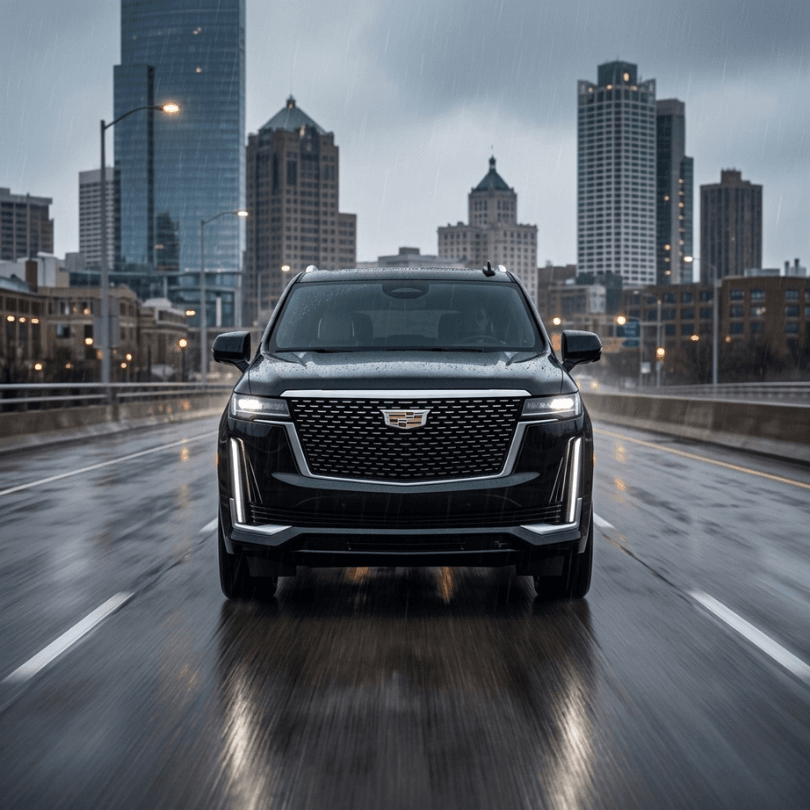
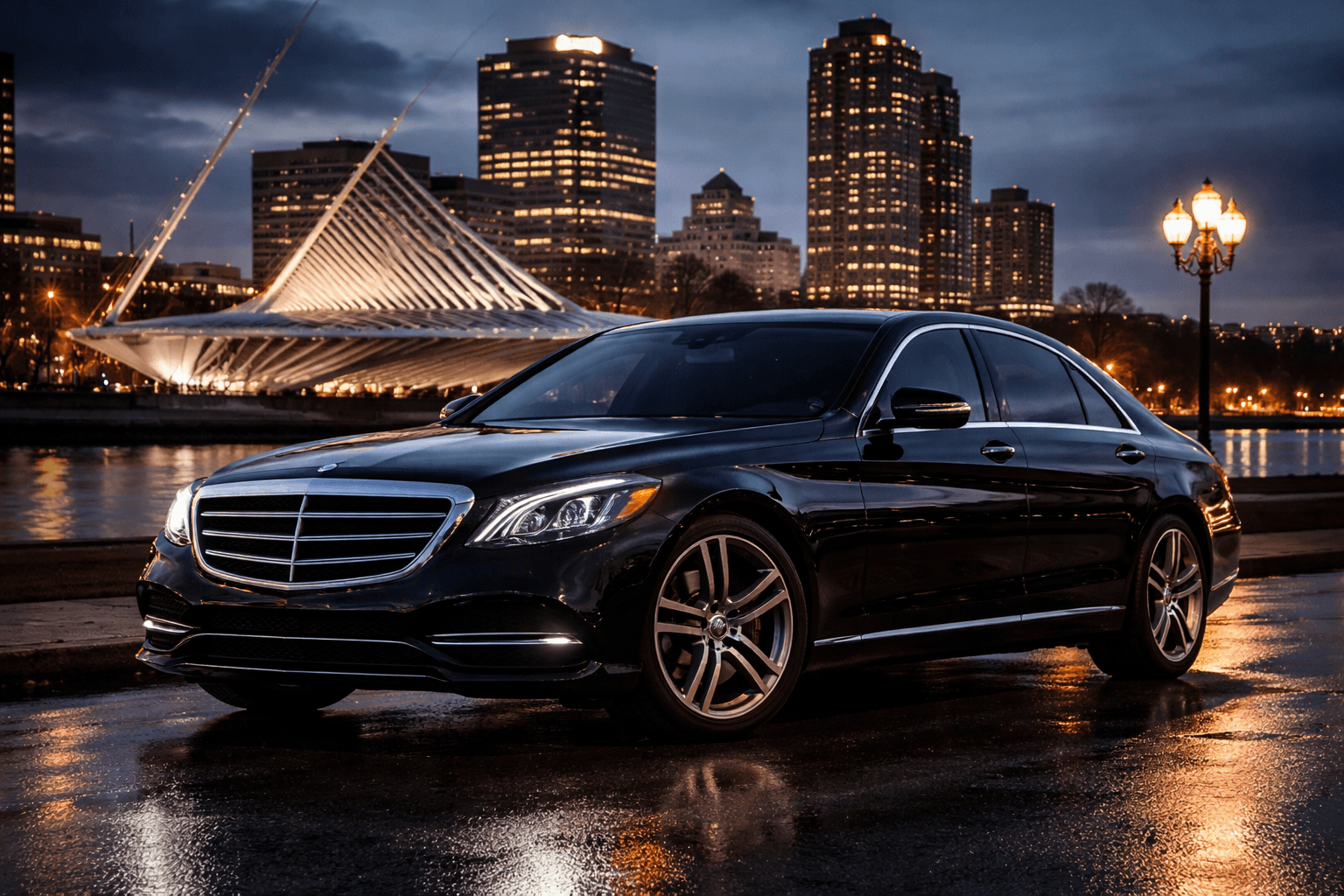
A tight friend group or a smaller birthday celebration may be better served by a premium SUV or sedan rather than a full Sprinter, especially if the goal is a more low-key night rather than a big group production. It’s worth asking what fits best for a smaller headcount instead of automatically booking the largest vehicle available.
Mid-size groups (7–10 people):
This range is where the Sprinter starts to clearly outperform splitting into multiple rideshares — large enough that coordinating separate cars becomes a real hassle, but not so large that a bigger party bus or stretch option is necessary. The Sprinter’s lounge-style seating also means the group can start the night’s energy in the vehicle itself rather than sitting single-file.
Larger groups (11–15 people):
At this size, the Sprinter’s full capacity becomes the deciding factor, since very few other options keep a group this large together in one vehicle for an entire night. Groups larger than 15 typically need either a second vehicle or a larger stretch option, so confirming an accurate headcount early avoids a last-minute vehicle swap.
Confirming headcount before the night:
Weekend night-out groups often grow or shrink as the date approaches, with plus-ones added or people dropping out last minute. Locking in a final number a few days ahead helps ensure the right vehicle is reserved, particularly for groups sitting close to the Sprinter’s 15-passenger limit.
Frequently Asked Questions
How many bars can we realistically hit in one night?
Most groups comfortably fit 4 to 8 venues into a 5 to 6 hour night, depending on how long the group wants to stay at each stop and whether dinner is part of the itinerary. Groups that want a slower pace with fewer, longer stops should plan for the lower end of that range.
Do you have a minimum number of hours for a night-out booking?
Yes, hourly charters for a bar crawl or night out typically carry a minimum booking window rather than being available for a single short trip. The exact minimum can vary by date, so it’s best to confirm when calling to book.
How many people fit in the Sprinter for a night out?
The Sprinter limo seats up to 15 passengers, making it one of the largest single-vehicle options for keeping a big group together for a full night downtown without splitting into multiple rideshares.
Can the vehicle wait outside while we’re inside a bar?
Yes, in most cases. In denser areas like Water Street where extended curbside waiting isn’t always practical, the chauffeur may hold a nearby loading zone or run a short loop instead, but the group doesn’t need to request a new pickup each time — the vehicle is back when it’s time to move.
Is this different from your bachelor or bachelorette party service?
Yes. A standard bar crawl or night-out booking is typically a single evening centered on a birthday or a group of friends wanting a night downtown, while bachelor and bachelorette bookings often involve a longer, multi-day itinerary with additional planning. Both use the same Sprinter vehicle, but the scheduling and scope are different.
What happens if we want to add a stop or run past our booked hours?
Overage time is generally available but is worth discussing at the time of booking, and it helps to build a small buffer into the original reservation if the group tends to run long, wants flexibility to add a spontaneous stop, or is planning a night that overlaps with a Bucks or Brewers game downtown, since event nights bring heavier traffic and congestion near the venue.
Planning Tips for a Smooth Night Out
A few small details go a long way toward making the night run smoothly, beyond just booking the vehicle itself.
Share the rough plan with the group ahead of time:
Even with all the logistics handled by one chauffeur, it helps for everyone to know the general shape of the night — roughly which zone you’re starting in, how many stops are planned, and the approximate time the vehicle heads home. That way nobody’s surprised by a longer or shorter night than they expected.
Have ID ready at every stop:
Downtown Milwaukee bars and clubs check ID at the door regardless of how the group arrives, and it’s one of the most common holdups at the first stop of the night if people forgot to bring it.
Eat something before the night starts:
Whether dinner is built into the itinerary as a formal stop or the group just grabs food beforehand, starting the night on a full stomach makes for a better overall experience, especially on longer 5-to-6-hour nights.
Designate one point of contact:
Just like with a daytime tour, having one person in the group communicate directly with the chauffeur about timing keeps things simple, rather than the driver getting conflicting messages from multiple people about where to be and when.
Keep a rough end time in mind, but stay flexible:
Nights out rarely go exactly as scripted — plan the overall booking window with the venue check-in reservation and departure time in mind, but leave room for the group to run a little long at a favorite stop or add a spontaneous last venue before heading home.
Bring a light jacket even in summer:
Waiting curbside for pickup between venues, even briefly, can be cooler than expected on a Milwaukee summer night near the lake, especially later in the evening.
Think about the whole night, not just the fun part:
It’s easy to plan out which bars to hit and forget to think through the boring logistics — where everyone’s meeting for pickup, what time the vehicle needs to leave the last stop, and where the final drop-off actually is if the group is staying in different places. A few minutes spent on those details before the night starts saves a lot of confusion once everyone’s a few drinks in and less inclined to sort out logistics on the fly.
Ready to Book Your Milwaukee Bar Crawl or Night Out?
Skip the surge pricing, the parking search, and the 1 AM wait for a ride — book one vehicle for the whole night and let the group focus on the night out instead of the logistics. Whether it’s a birthday, a friend group’s regular night downtown, or a coworker get-together, the same booking process applies: confirm your date, your headcount, and a rough sense of which zone you want to start in, and dispatch handles the rest.
Call or text (414) 322-3751 to check availability and build your route, or reserve online to lock in your date.