
The History of the Limousine
The 1700s – The Origin of the Name


The story of the limousine begins in 18th-century France, long before cars even existed. In a region called Limousin, shepherds wore long cloaks with hoods to protect themselves from wind and rain. These cloaks had a unique covered shape.
At the same time, wealthy Europeans traveled in horse-drawn carriages built for privacy and comfort. The passenger section was enclosed, while the driver sat outside. This design looked similar to the Limousin cloaks, and that’s how the name “limousine” was born.
From the start, the idea was clear: separate the passenger from the driver. Create a more private, premium experience.
Early 1900s – The First Limousine Cars


In the early 1900s, automobiles replaced horse carriages, and the limousine entered a new era. Around 1902, the first motorized limousines appeared. They kept the same concept. A closed passenger cabin stayed separate from the driver compartment.
These vehicles were rare and expensive. Only royalty, politicians, and powerful business figures used them. Having a chauffeur became a symbol of status and success.
Luxury brands like Cadillac and Lincoln Motor Company played a major role in shaping these early luxury cars.
1920s–1930s – Limousines Enter Business Use


By the 1920s and 1930s, limousines were no longer only for private owners. Hotels and transportation companies began using them to serve guests.
This marked the start of the limousine service industry. People could now hire a limousine instead of owning one, making luxury transportation more practical and widely available.
1950s–1960s – The Birth of the Stretch Limousine


The 1950s introduced one of the biggest transformations—the stretch limousine.
Custom builders extended luxury sedans to create longer vehicles that could carry more passengers. These limousines quickly became popular in Hollywood, where celebrities used them for red carpet events.
From this point on, limousines became a symbol of fame, luxury, and high-end lifestyle.
1970s–1990s – Limousines Become Mainstream


Between the 1970s and 1990s, limousines became more accessible to the public. They were widely used for weddings, proms, and corporate travel.
During this time, interiors improved significantly. Features like leather seating, lighting systems, and entertainment setups became standard, turning the limousine into both transportation and experience.
2000s–Today – The Rise of Black Car Services in the USA


From the 2000s to today, the limousine industry in the United States has taken a new direction. While stretch limousines still exist, the luxury standard has shifted to black car service, executive sedans, and luxury SUVs.
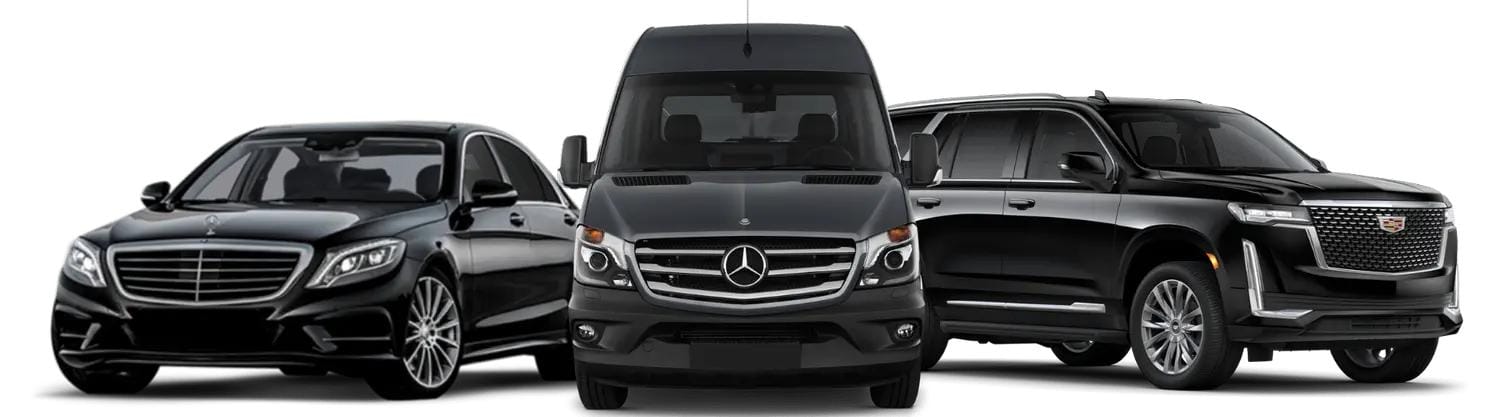
Vehicles like the Cadillac Escalade, Lincoln Navigator, and Mercedes-Benz S-Class are now leading premium transportation. They represent the new standard for luxury travel. These vehicles focus on comfort, privacy, and a smooth ride rather than just size.
At the same time, luxury Sprinter vans have become a major part of the industry, especially for group travel. They offer spacious seating, modern interiors, and a high-end feel without the need for a traditional stretch limo.
Black car services are now a top choice for airport rides, business travel, and high-end clients across the United States. They provide a clean, professional image and a more practical luxury experience.
Technology has also changed everything. Booking is now done online, rides are tracked in real time, and chauffeurs are trained to deliver a consistent, high-level service.
Final Thought
From a simple cloak design in 1700s France, the limousine changed over time. Today, it includes luxury SUVs and black car services in the United States.
Each era brought something new, but the goal stayed the same: comfort, privacy, and a premium travel experience.
That’s why the limousine isn’t just a vehicle.
It’s a tradition of luxury that continues to move forward.